Quakerism came to Wakefield when George Fox (1624-1691), the founder of The Quaker movement, visited Ardsley and other places near Wakefield.
Several Wakefield families adopted Quaker beliefs.
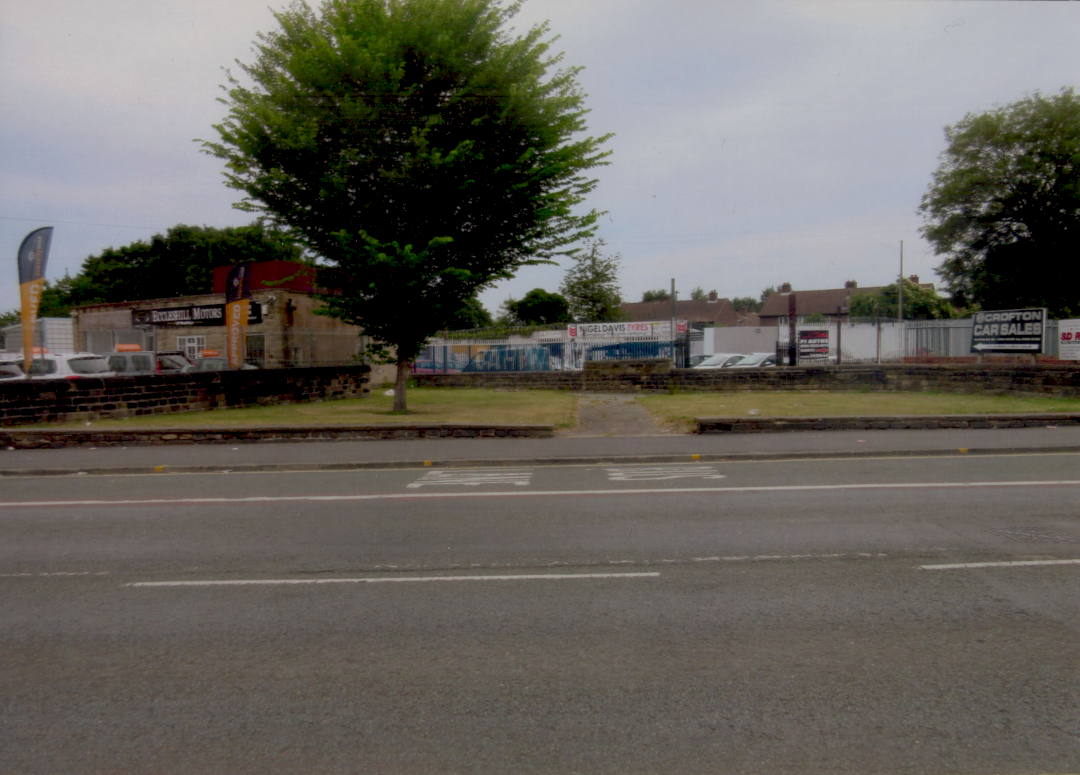
In 1695 they bought a plot of land on Doncaster Road, to the south of the town, for a burial ground and there was a Meeting House next to the burial ground on Doncaster Road which was originally under the care of Ackworth Meeting.
Purchase of burial grounds often preceded the building of a Meeting House because many vicars would refuse to bury Quakers in the existing graveyards.
Quakers originally met in premises near the cathedral on Kirkgate, paying rent of £1 pa.
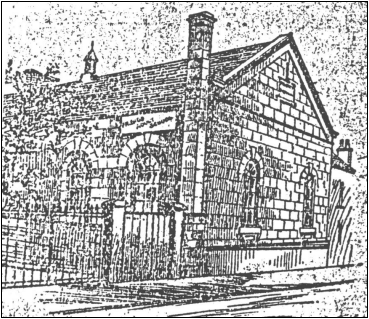
Meanwhile in 1774 John Wesley, the leader of the Methodist movement, opened a chapel on the site of the present Quaker Meeting House on Thornhill Street.
John Wesley, a frequent visitor to Wakefield, was a leader of Methodism, a revival movement within the Church of England. He campaigned tirelessly on social issues such as prison reform and universal education, issues which were also dear to Quakers.
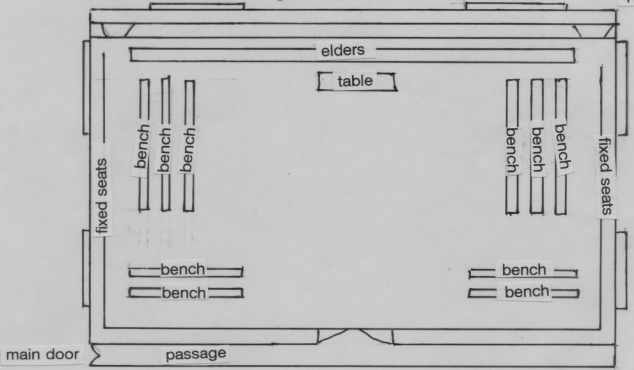
Twenty-seven years later in 1801 the Quakers bought Wesley’s chapel for £500. Much work was needed to convert the interior so it could be used as a Meeting House, including removal of the rows of pews.
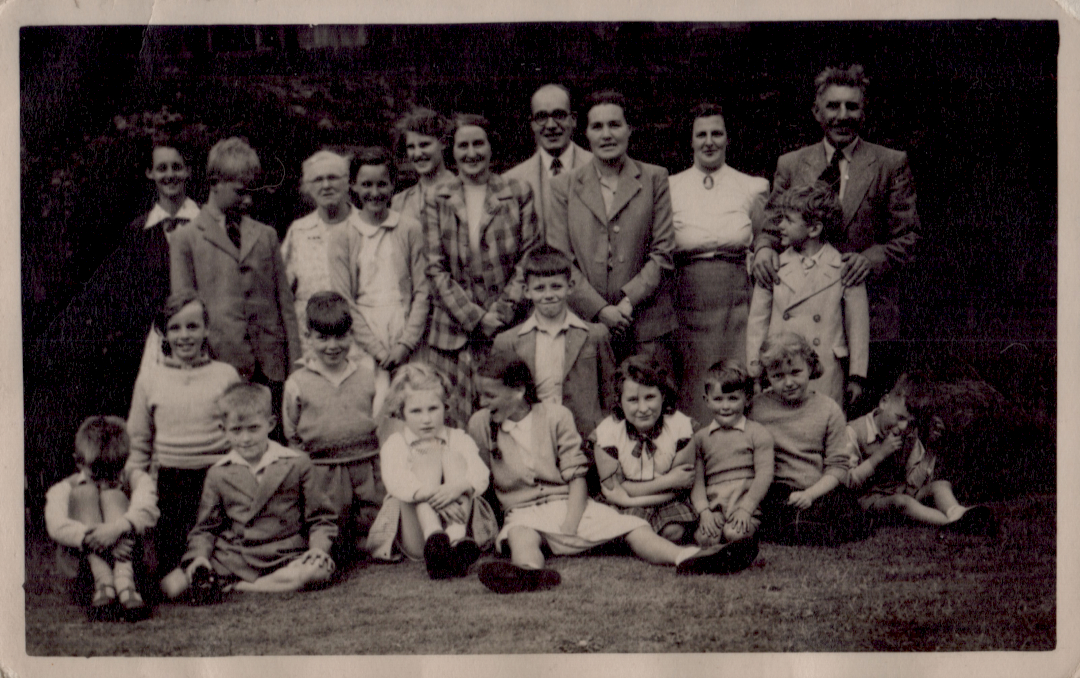
This old chapel on Thornhill Street was used as a Meeting House for decades and served many Quaker families in Wakefield. Some of our members still have fond memories of the community and events from that time.
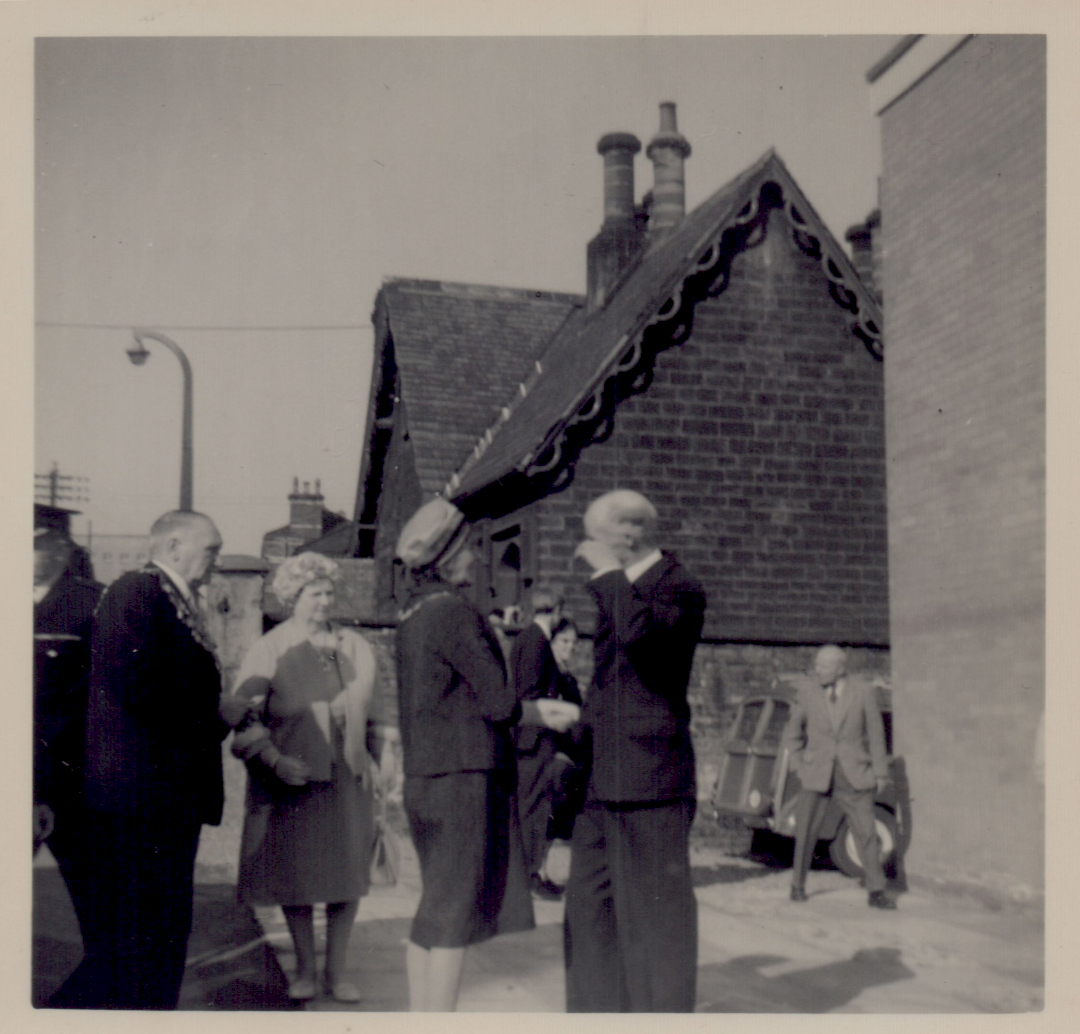
In the 1960s the old chapel was demolished, and the present building was designed and purpose built for the Quaker Meeting. Memorial stones were relocated to the edges of the burial ground although there is still a plan in the Meeting House of the location (and occupants) of the graves themselves.
The new building, with its entrance hall, two downstairs rooms and meeting room and library upstairs, was opened in 1965.
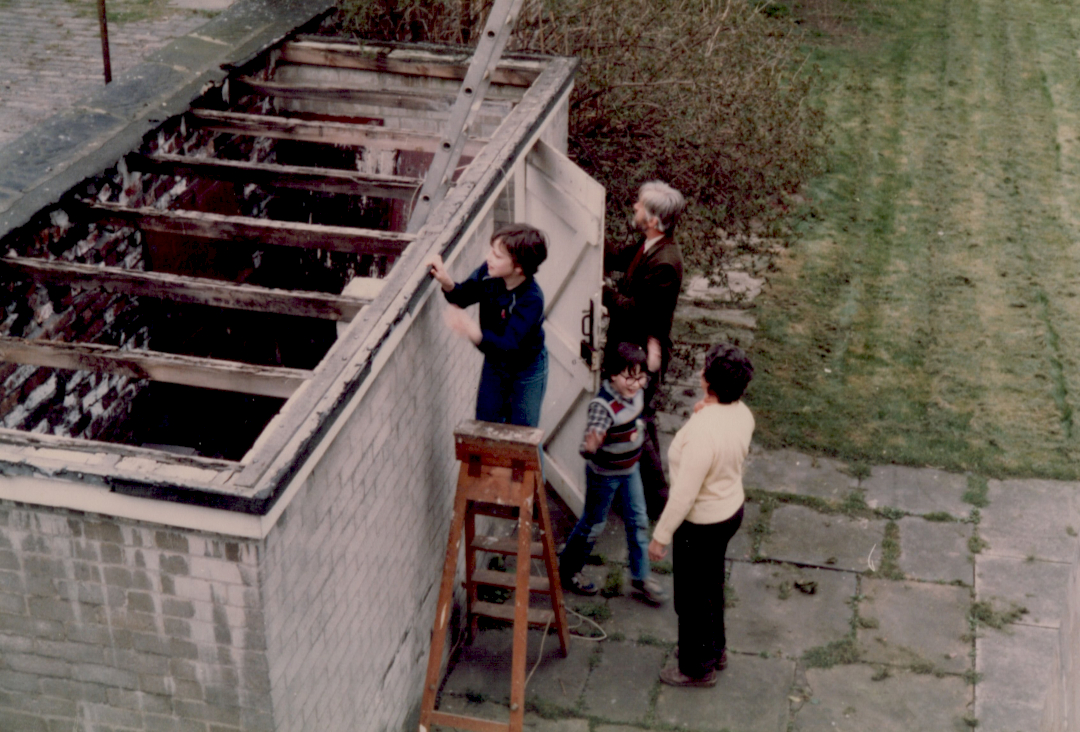
Much later an outbuilding was demolished and an extension with an accessible toilet and storage facilities was added to the main building.
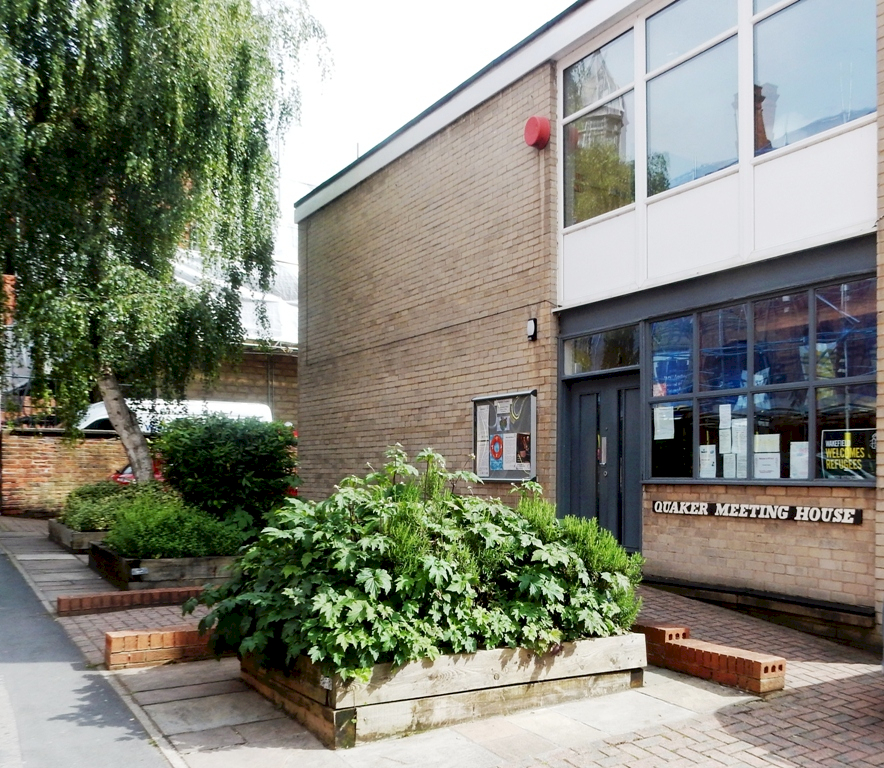
The Meeting House has always had a social function beyond being the place where Quakers meet for their Sunday Meeting for Worship. Originally it was just the adult school who met there during the week, but since then many groups have hired the Meeting House for recreational and educational purposes.
It continues to provide a welcoming city centre venue for community users as diverse as groups supporting children; asylum seekers and refugees; people with learning difficulties; groups practising healing, meditation and music; and other religious groups.
Further details may be found at:
Wakefield - Its History and People: Walker 1939
Wakefield Meeting House: John Binks
Josephine Beaumont's memories of the old Meeting House on Thornhill Street